TL;DR Summary
Kochava’s MMM solution uses three data categories to deliver precise attribution: full-funnel data to track the entire user journey, LTV cohort data (from 1 to 365 days) to project long-term ROAS, and integrated acquisition and engagement data to assess retention. Complete MMM data inputs allow AIM’s Bayesian models to provide accurate projections and deeper performance insights.
Why AIM requires specific MMM data inputs to unlock precise marketing attribution
When it comes to understanding the true impact of your marketing efforts, precision is paramount. AIM (Always-On Incremental Measurement) by Kochava is a state-of-the-art marketing mix modeling (MMM) platform specifically designed to capture and model the entire sales funnel, from first impression to final purchase. By leveraging advanced Bayesian inference, AIM continuously adapts to new data, refining its models to provide ever more accurate and actionable insights.
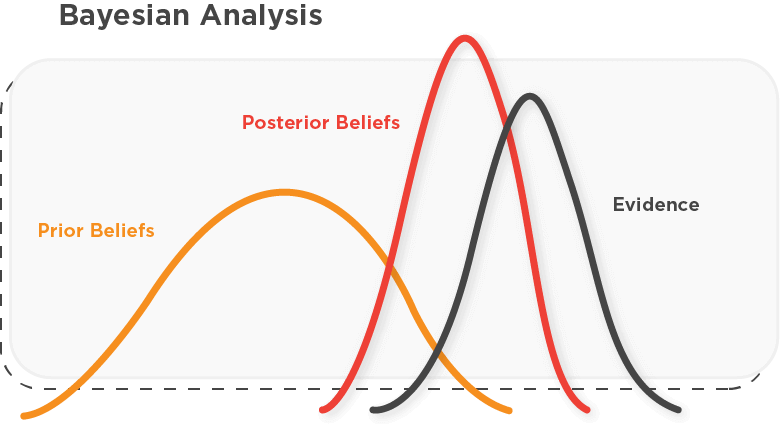
To achieve this level of precision, AIM requires specific essential data inputs from you. Here’s why every piece of data our team requests during onboarding is crucial to delivering insights that can genuinely transform your marketing strategy.
1. Full-Funnel Data for Enhanced Attribution Accuracy
The power of AIM lies in its ability to model the entire sales funnel using a hierarchical, event-driven approach. Traditional MMM tools often fall short by modeling only top-level metrics, leading to oversimplified and sometimes misleading attribution. AIM, however, dissects the user journey into its constituent events. Each interaction, from an ad impression to a purchase, is meticulously tracked and attributed to the correct channel. This is made possible by AIM’s hierarchical Bayesian framework (explained further in this post), which allows the model to incorporate prior knowledge and update its predictions as new data flows in, improving accuracy over time.
It’s important to recognize that while some events—like installs or page views—may seem less significant because of their high volume and low latency, they are crucial for building a comprehensive model. Although not directly tied to immediate revenue, these events are essential in creating correlations that reveal how different marketing activities contribute to business outcomes. For instance, while a purchase event clearly holds more direct business value, it might not occur frequently enough or be as closely correlated with marketing spend.
This is where AIM’s model truly shines. It intelligently integrates these seemingly minor events with more substantial business actions to create a robust framework. By doing so, AIM can deliver accurate forecasts and optimization strategies that account for the entire user journey, not just the final conversion point. The result is a more nuanced and effective attribution model, giving you a clearer picture of how all aspects of your marketing efforts drive business success.

Required Data Input
Comprehensive full-funnel data capturing every key interaction, from initial user engagement (e.g., install) to final revenue (e.g., purchase), ensuring all touchpoints are accounted for
2. Lifetime-Value (LTV) Insights to Optimize Long-Term ROAS
To accurately project return on ad spend (ROAS), AIM goes beyond immediate conversions and looks at the long-term value of users. By analyzing revenue cohorts over multiple time frames—1, 7, 30, 90, and ideally, up to 365 days—AIM can model the lifetime value of users with high precision. The Bayesian approach enables AIM to integrate these long-term data points, refining the model’s predictive power and providing you with insights that help optimize marketing spend for sustained growth over the long term.
This detailed cohort analysis is critical for understanding not just the immediate impact of your campaigns but also their long-term profitability. By supplying this data, you enable AIM to forecast with greater confidence, ensuring that your marketing strategies are geared toward maximizing long-term ROI.
Required Data Input
Detailed cohorted revenue data at intervals of 1, 7, 30, 90, and if possible, 365 days post-user acquisition, allowing AIM to accurately model long-term user value
3. Integrating User Acquisition with Ongoing Engagement Analysis
A balanced marketing strategy requires insight into both user acquisition and the retention and engagement of existing users. AIM tackles this dual challenge by separately modeling the revenue generated by new users and the engagement of all users. Using cohorted data, AIM assesses the effectiveness of your acquisition strategies. Meanwhile, non-cohorted event data lets AIM measure the impact of your marketing on the broader user base, providing a comprehensive view of how well your campaigns drive both new growth and ongoing engagement.
This dual modeling approach, underpinned by AIM’s Bayesian algorithms, ensures that your marketing strategies are not only effective at bringing in new users but also at keeping them engaged over time, thus driving sustained value.
Required Data Inputs
- Cohorted data on new user revenue to evaluate the effectiveness of user acquisition campaigns
- Non-cohorted total event data to assess the impact of marketing on overall user engagement and retention
The Critical Role of Your Data
The data you provide is integral to AIM’s ability to deliver precise, actionable insights. By feeding the platform with detailed and comprehensive data, you empower AIM’s Bayesian models to offer more accurate attribution, better long-term projections, and a deeper understanding of your marketing performance. This data-driven approach ensures that every decision you make is backed by robust, scientifically grounded insights.

Harness the Full Potential of AIM
To harness the full capabilities of AIM and achieve the most accurate and valuable insights, providing these essential data inputs is vital. Together, we can ensure that every aspect of your marketing strategy is optimized for both immediate and long-term success.
Book a meeting with our team or contact us with questions.
Why does AIM require full-funnel data for marketing mix modeling?
AIM requires full-funnel data because its power lies in modeling the entire sales funnel using a hierarchical, event-driven approach. Traditional MMM tools often model only top-level metrics, leading to oversimplified attribution. AIM dissects the user journey into constituent events, meticulously tracking each interaction from ad impression to purchase and attributing it to the correct channel. This comprehensive approach, enabled by AIM’s hierarchical Bayesian framework, provides more accurate and nuanced attribution than top-level modeling alone.
How does lifetime value (LTV) data improve MMM accuracy?
LTV data enables AIM to go beyond immediate conversions and look at the long-term value of users. By analyzing revenue cohorts over multiple time frames (1, 7, 30, 90, and ideally 365 days), AIM can model lifetime value with high precision. The Bayesian approach integrates these long-term data points, refining the model’s predictive power and providing insights that help optimize marketing spend for sustained growth rather than just short-term conversions.
Why does AIM need both cohorted and non-cohorted event data?
AIM uses cohorted data on new user revenue to evaluate the effectiveness of user acquisition campaigns, while non-cohorted total event data assesses the impact of marketing on overall user engagement and retention. This dual modeling approach, underpinned by Bayesian algorithms, ensures that marketing strategies are effective at both bringing in new users and keeping them engaged over time, driving sustained value rather than focusing on acquisition alone.
What role do seemingly minor events like installs play in AIM’s modeling?
While high-volume, low-latency events like installs or page views may seem less significant than direct revenue events, they’re crucial for building comprehensive correlations. AIM intelligently integrates these events with more substantial business actions to create a robust framework. Although a purchase event holds more direct business value, it may not occur frequently enough to be closely correlated with marketing spend. By incorporating all events, AIM delivers accurate forecasts and optimization strategies accounting for the entire user journey.
Why is providing detailed data vital for maximizing AIM’s capabilities?
The data provided is integral to AIM’s ability to deliver precise, actionable insights. By feeding the platform with detailed and comprehensive data, organizations empower AIM’s Bayesian models to offer more accurate attribution, better long-term projections, and deeper understanding of marketing performance. This data-driven approach ensures that every decision is backed by robust, scientifically grounded insights, optimizing both immediate and long-term success